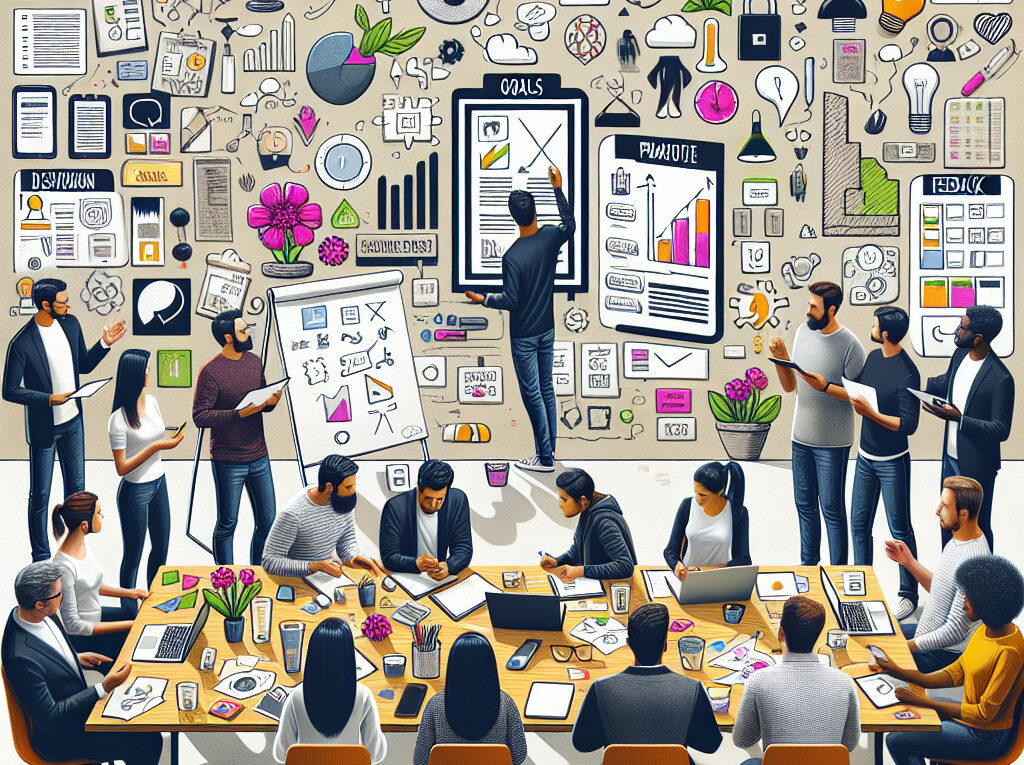
Sure! Here are some questions related to Mobile Apps Development Trends in UI Design:

Sure! Here are some questions related to Mobile Apps Development Trends in UI Design:

1. What are some current trends in UI design for mobile apps?
2. How important is user experience in mobile app UI design?
3. What are some best practices for designing a user-friendly mobile app interface?
4. How can designers incorporate the latest design trends into their mobile app projects?
5. What role does color theory play in mobile app UI design?
6. How can designers create a cohesive and consistent design language for a mobile app?
7. What are some common mistakes to avoid when designing a mobile app UI?
8. How can designers ensure that their mobile app UI is accessible to all users, including those with disabilities?
9. How can designers use animations and transitions to enhance the user experience in a mobile app?
10. What are some emerging technologies that are shaping the future of mobile app UI design?


What are the latest trends in mobile apps development that influence UI design?

W dzisiejszych czasach rozwój technologii mobilnych jest niezwykle dynamiczny, co sprawia, że trendy w projektowaniu interfejsu użytkownika (UI) w aplikacjach mobilnych również ewoluują w szybkim tempie. W tym artykule omówimy najnowsze trendy w projektowaniu aplikacji mobilnych, które wpływają na design interfejsu użytkownika.

1. Minimalistyczny design
Jednym z najważniejszych trendów w projektowaniu UI w aplikacjach mobilnych jest minimalistyczny design. Coraz więcej projektantów stawia na prostotę i czytelność interfejsu, eliminując zbędne elementy i skupiając się na kluczowych funkcjach. Minimalistyczny design sprawia, że aplikacje są bardziej intuicyjne i łatwe w obsłudze dla użytkowników.

2. Dark mode
Dark mode, czyli tryb ciemny, stał się bardzo popularny w ostatnich latach. Ten trend polega na zmianie kolorystyki interfejsu z jasnego na ciemny, co ma korzystny wpływ na komfort użytkowania aplikacji, zwłaszcza w warunkach słabego oświetlenia. Projektanci coraz częściej uwzględniają dark mode w swoich projektach, dając użytkownikom możliwość wyboru preferowanego trybu.

3. Animacje i mikrointerakcje
Animacje i mikrointerakcje są coraz częściej wykorzystywane w projektowaniu UI w aplikacjach mobilnych. Drobne animacje i interakcje sprawiają, że interfejs staje się bardziej dynamiczny i atrakcyjny dla użytkowników. Dodatkowo, poprawiają one doświadczenie użytkownika i ułatwiają nawigację po aplikacji.

4. Personalizacja interfejsu
Personalizacja interfejsu to kolejny ważny trend w projektowaniu aplikacji mobilnych. Dzięki personalizacji użytkownicy mogą dostosować interfejs do swoich preferencji i potrzeb, co sprawia, że aplikacja staje się bardziej przyjazna i użyteczna. Projektanci coraz częściej uwzględniają możliwość personalizacji interfejsu w swoich projektach, aby zwiększyć zaangażowanie użytkowników.

5. Responsywność
W dobie różnorodności urządzeń mobilnych, responsywność interfejsu jest kluczowym elementem projektowania aplikacji. Projektanci muszą zadbać o to, aby interfejs był dostosowany do różnych rozdzielczości i wielkości ekranów, zapewniając użytkownikom optymalne doświadczenie niezależnie od urządzenia, na którym korzystają z aplikacji.

Podsumowując, trendy w projektowaniu aplikacji mobilnych mają duży wpływ na design interfejsu użytkownika. Minimalistyczny design, dark mode, animacje i mikrointerakcje, personalizacja interfejsu oraz responsywność to tylko kilka z najnowszych trendów, które kształtują obecne standardy w projektowaniu UI. Projektanci muszą być świadomi tych trendów i dostosować swoje projekty do zmieniających się oczekiwań użytkowników, aby zapewnić im najlepsze doświadczenie z korzystania z aplikacji mobilnych.


How is user experience shaping the future of mobile apps development?

Mobile apps have become an integral part of our daily lives, providing us with convenience, entertainment, and information at our fingertips. As the demand for mobile apps continues to grow, developers are focusing more on creating a seamless user experience to attract and retain users. User experience (UX) plays a crucial role in shaping the future of mobile apps development, as it directly impacts user satisfaction, engagement, and retention.

Importance of User Experience in Mobile Apps Development

User experience encompasses all aspects of a user’s interaction with a mobile app, including design, usability, functionality, and performance. A positive user experience can lead to increased user engagement, higher retention rates, and ultimately, greater success for the app. On the other hand, a poor user experience can result in users abandoning the app and turning to competitors.

With the increasing competition in the mobile app market, developers are realizing the importance of prioritizing user experience in their app development process. By focusing on creating intuitive interfaces, smooth navigation, and engaging content, developers can enhance the overall user experience and differentiate their app from the competition.

How User Experience is Shaping the Future of Mobile Apps Development

As user expectations continue to evolve, developers are adapting their strategies to meet the demands of modern users. Here are some ways in which user experience is shaping the future of mobile apps development:

1. Personalization Developers are increasingly incorporating personalization features in their apps to provide users with a more tailored experience. By analyzing user data and behavior, developers can deliver personalized content, recommendations, and notifications that are relevant to each user.
2. Accessibility Accessibility is a key aspect of user experience, as it ensures that all users, including those with disabilities, can easily access and use the app. Developers are focusing on creating apps that are inclusive and accessible to a diverse range of users.
3. Performance Performance is crucial for a positive user experience, as users expect apps to load quickly and respond smoothly to their interactions. Developers are optimizing their apps for speed, reliability, and efficiency to ensure a seamless user experience.
4. User Feedback User feedback is invaluable for improving the user experience of an app. Developers are actively seeking feedback from users through surveys, reviews, and analytics to identify areas for improvement and make data-driven decisions.

Conclusion

Overall, user experience is playing a significant role in shaping the future of mobile apps development. By prioritizing user experience and incorporating user-centric design principles, developers can create apps that are engaging, intuitive, and valuable to users. As user expectations continue to evolve, developers must stay ahead of the curve and adapt their strategies to meet the demands of modern users. Ultimately, a positive user experience is essential for the success and longevity of a mobile app in today’s competitive market.


When should developers consider implementing new UI design trends in mobile apps development?

Mobile app development is a constantly evolving field, with new trends and technologies emerging all the time. One of the key aspects of mobile app development is the user interface (UI) design, which plays a crucial role in determining the success of an app. As such, developers need to stay up-to-date with the latest UI design trends in order to create apps that are both visually appealing and user-friendly. But when should developers consider implementing new UI design trends in their mobile apps development process? Here are some key points to consider:

1. When the current UI design is outdated or not user-friendly

If your app’s current UI design is outdated or not user-friendly, it may be time to consider implementing new UI design trends. Users expect apps to be visually appealing and easy to use, so if your app’s UI design is lacking in these areas, it could be hurting your app’s success. By staying up-to-date with the latest UI design trends, you can ensure that your app remains competitive in the market and continues to attract and retain users.

2. When there are new technologies or features that can enhance the user experience

New UI design trends often emerge in response to new technologies or features that can enhance the user experience. For example, the rise of augmented reality (AR) and virtual reality (VR) has led to new UI design trends that focus on creating immersive and interactive experiences for users. By implementing these new UI design trends, developers can take advantage of these technologies to create apps that are more engaging and innovative.

3. When competitors are implementing new UI design trends

In the fast-paced world of mobile app development, it’s important to stay ahead of the competition. If your competitors are implementing new UI design trends and you’re not, you could be at a disadvantage. By keeping an eye on what your competitors are doing and staying up-to-date with the latest UI design trends, you can ensure that your app remains competitive and continues to attract users.

4. When user feedback suggests a need for a change

User feedback is a valuable source of information for developers, as it can provide insights into what users like and dislike about an app’s UI design. If user feedback suggests that a change is needed, developers should consider implementing new UI design trends to address these issues. By listening to user feedback and making changes accordingly, developers can improve the user experience and increase user satisfaction.

5. When there is a need to rebrand or refresh the app

Rebranding or refreshing an app is a common reason for implementing new UI design trends. If your app is undergoing a rebranding or refresh, it’s important to update the UI design to reflect the new brand identity. By implementing new UI design trends that align with the new brand identity, developers can create a cohesive and consistent user experience that reinforces the brand’s message and values.

Conclusion

Implementing new UI design trends in mobile apps development is an important consideration for developers who want to create apps that are visually appealing and user-friendly. By staying up-to-date with the latest UI design trends and knowing when to implement them, developers can ensure that their apps remain competitive in the market and continue to attract and retain users. Whether it’s updating an outdated UI design, taking advantage of new technologies, staying ahead of the competition, responding to user feedback, or rebranding the app, there are many reasons why developers should consider implementing new UI design trends in their mobile apps development process.


Why is it important to stay updated with mobile apps development trends in UI design?

In today’s fast-paced digital world, staying updated with the latest trends in mobile apps development is crucial for success. This is especially true when it comes to UI design, as the user interface is often the first thing that users interact with when using a mobile app. Here are some reasons why it is important to stay updated with mobile apps development trends in UI design:

1. Enhanced user experience: By staying updated with the latest trends in UI design, developers can create mobile apps that provide a seamless and intuitive user experience. This can lead to increased user satisfaction and retention.

2. Competitive advantage: In a crowded marketplace, having a mobile app with a modern and visually appealing UI can help differentiate your app from the competition. By staying updated with the latest trends, developers can stay ahead of the curve and attract more users.

3. Improved usability: Trends in UI design are often driven by advancements in technology and changes in user behavior. By staying updated with these trends, developers can create mobile apps that are easier to use and navigate, leading to a better overall user experience.

4. Increased engagement: A well-designed UI can help increase user engagement with a mobile app. By staying updated with the latest trends in UI design, developers can create visually appealing interfaces that encourage users to spend more time using the app.

5. Adaptability: The mobile apps development landscape is constantly evolving, with new technologies and design trends emerging all the time. By staying updated with these trends, developers can ensure that their mobile apps remain relevant and adaptable to changing user preferences.

6. Accessibility: Trends in UI design often focus on making mobile apps more accessible to a wider range of users, including those with disabilities. By staying updated with these trends, developers can create mobile apps that are inclusive and accessible to all users.

7. Brand consistency: A well-designed UI can help reinforce a brand’s identity and message. By staying updated with the latest trends in UI design, developers can ensure that their mobile apps reflect their brand’s values and aesthetics.

In conclusion, staying updated with mobile apps development trends in UI design is essential for creating successful and user-friendly mobile apps. By keeping abreast of the latest trends, developers can create mobile apps that provide an enhanced user experience, a competitive advantage, improved usability, increased engagement, adaptability, accessibility, and brand consistency. So, make sure to stay updated with the latest trends in UI design to create mobile apps that stand out in today’s competitive marketplace.


Specjalista ds pozycjonowania w CodeEngineers.com
Nazywam się Łukasz Woźniakiewicz, jestem właścicielem i CEO w Codeengineers.com, agencji marketingu internetowego oferującej między innymi takie usługi jak pozycjonowanie stron/sklepów internetowych, kampanie reklamowe Google Ads.

Jeśli interesują Cię tanie sponsorowane publikacje SEO bez pośredników - skontaktuj się z nami:

Tel. 505 008 289
Email: ceo@codeengineers.com
Łukasz Woźniakiewicz